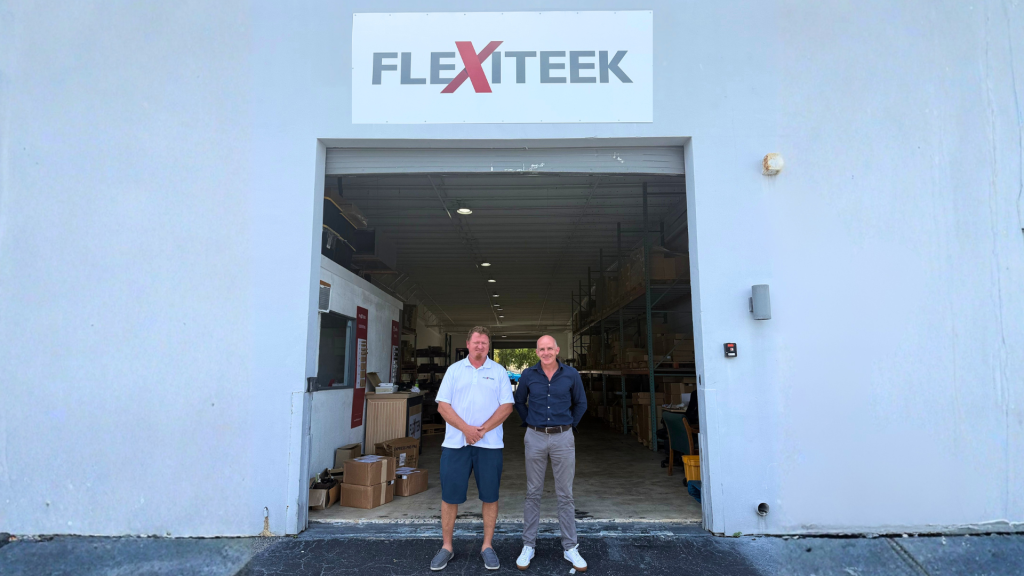


Teak Why Its Being Rethought And How Marine Decking Is Changing
Teak has long been synonymous with quality, craftsmanship, and status in boatbuilding. From super yachts to leisure crafts, its traditional appeal has made it the default choice for decks and interiors for decades.
But that legacy is now under pressure. Sustainability concerns, tightening regulations, limited supply, and changing customer expectations are all forcing the marine industry to rethink what belongs underfoot.
This shift is the focus of a recent BBC investigation into teak and its alternatives, in which Flexiteek was invited to contribute as one of the longest-established synthetic decking manufacturers.
Why Teak Is So Hard to Replace
Teak’s dominance isn’t purely technical; it’s psychological.
For many owners and builders, teak represents authenticity and prestige. That perception has historically slowed adoption of alternatives, particularly in the superyacht sector, where tradition and aesthetics often outweigh practicality.
Yet teak also brings challenges. Once installed, it is difficult to remove without risking damage to the hull. It requires regular maintenance, aggressive cleaning chemicals, and inevitably weathers to a grey finish unless heavily treated.
More significantly, high-quality, mature teak is increasingly scarce. Plantation teak takes decades to reach the density and durability required for marine use, and much of the best historical supply came from regions now associated with deforestation and illegal logging.
Legislation has tightened dramatically in recent years, restricting imports from places such as Myanmar and limiting access to old-growth material. The result is that legally available teak is often softer, less durable, and shorter-lived a reality that has begun to damage teak’s own reputation.
The Rise of Synthetic Alternatives
As pressure on natural teak has grown, alternatives have evolved rapidly.
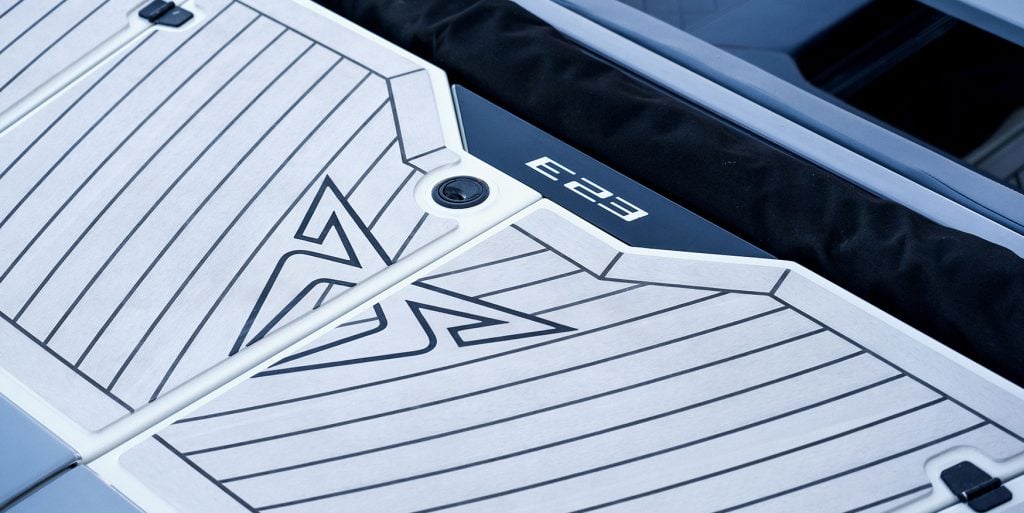
Early synthetic decks, first introduced in the late 1980s and 1990s, offered durability but lacked realism. Today, that has changed. Advances in material science mean modern synthetic decking closely replicates the look, texture, and tonal variation of natural wood while outperforming it in consistency and maintenance.
Flexiteek began developing synthetic marine decking in 1999, launching its first-generation product in 2000. Since then, the company has introduced successive generations focused on cooling performance, durability, UV stability, and ease of care.
A major milestone came in 2014 with the launch of Flexiteek’s second generation, which cooled significantly faster than earlier products and was easier to clean, addressing two of the most common objections to synthetic decks.
A Step Change: Bio-Attributed PVC
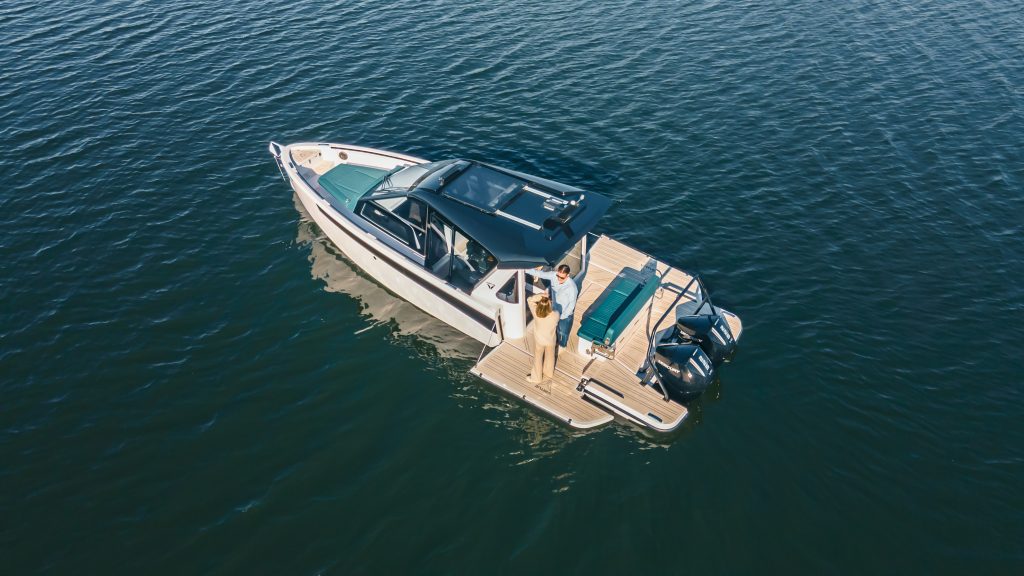
In 2024, Flexiteek launched its third-generation product, Flexiteek 3, incorporating bio-attributed PVC, a first for the marine decking sector.
Instead of relying on fossil fuel-based PVC, the core polymer is derived from tall oil, a by-product of sustainable forestry in managed forests in Finland, Sweden, and the United States. Residual wood from timber production is pulped, and the resulting resin becomes the primary feedstock for the PVC.
This approach significantly reduces environmental impact while maintaining the performance characteristics required for marine use.
Flexiteek 3 also improves thermal behaviour, cooling faster underfoot, and reduces the need for cleaning chemicals by up to 80%. In most cases, decks can be cleaned using fresh water alone, with minimal effort.
Importantly, the material is 100% recyclable once removed, provided the adhesive is separated, a challenge the industry is actively working to address globally.
Proven Performance, Not a Short-Term Fix
Durability remains a critical factor. While alternatives such as cork and EVA foam have their place, they typically last between three and ten years.
By contrast, PVC synthetic decking has proven longevity measured in decades. Some first-generation Flexiteek decks installed over 25 years ago remain in service today.
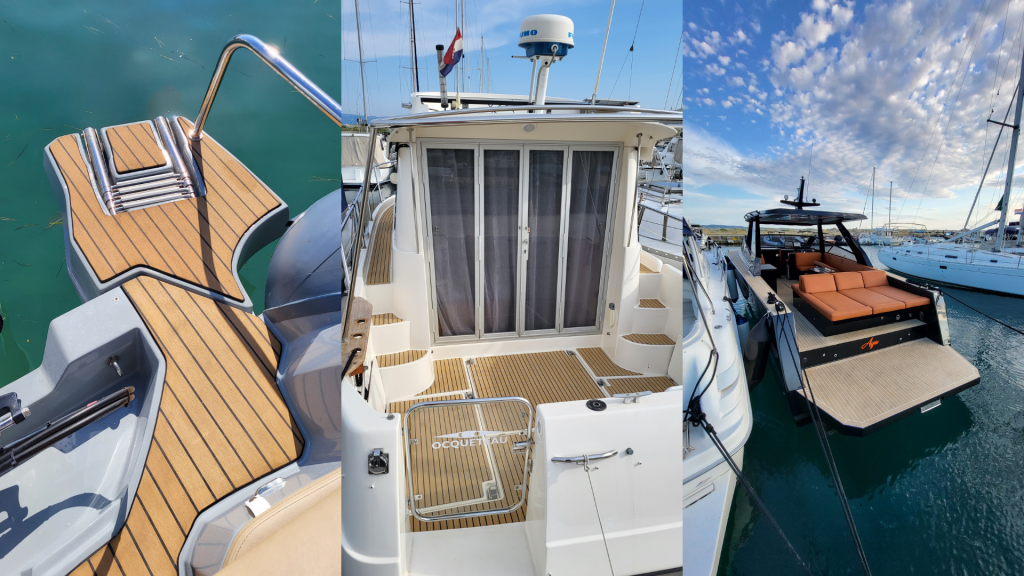
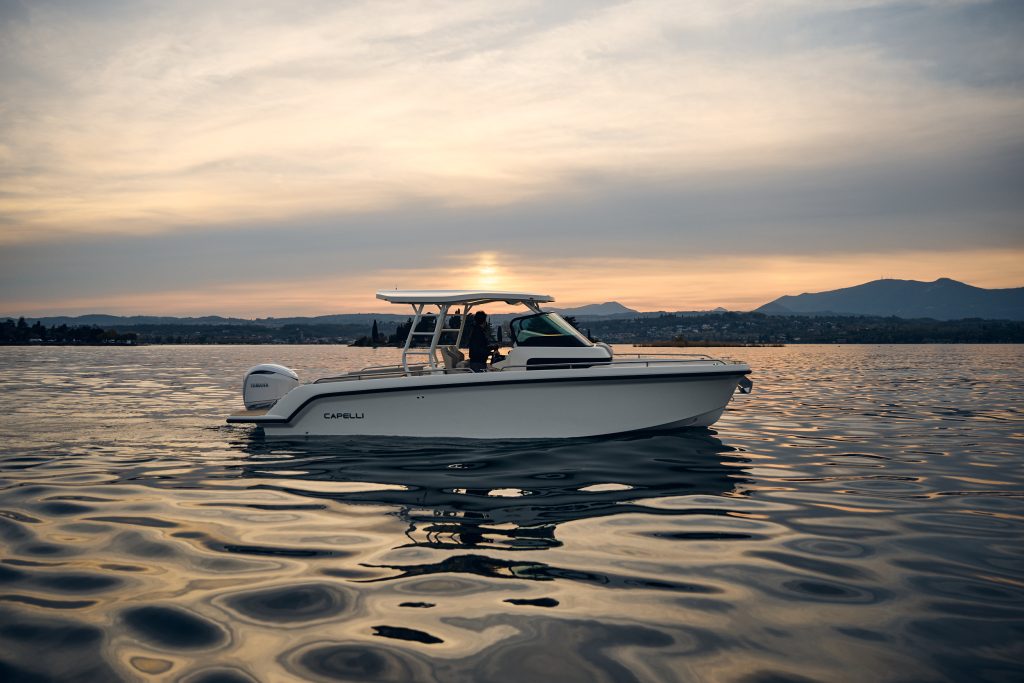
This long lifespan is a key reason synthetic decking has gained traction across the leisure and commercial marine sectors, from ribs and tenders to catamarans, motor yachts, and even ferries.
Flexiteek products are now specified by a wide range of manufacturers, including Beneteau, Princess, Oyster, Williams, Ribeye and others, and are used across Europe, Australia and a rapidly growing U.S. market.
Manufacturing Control and Consistency
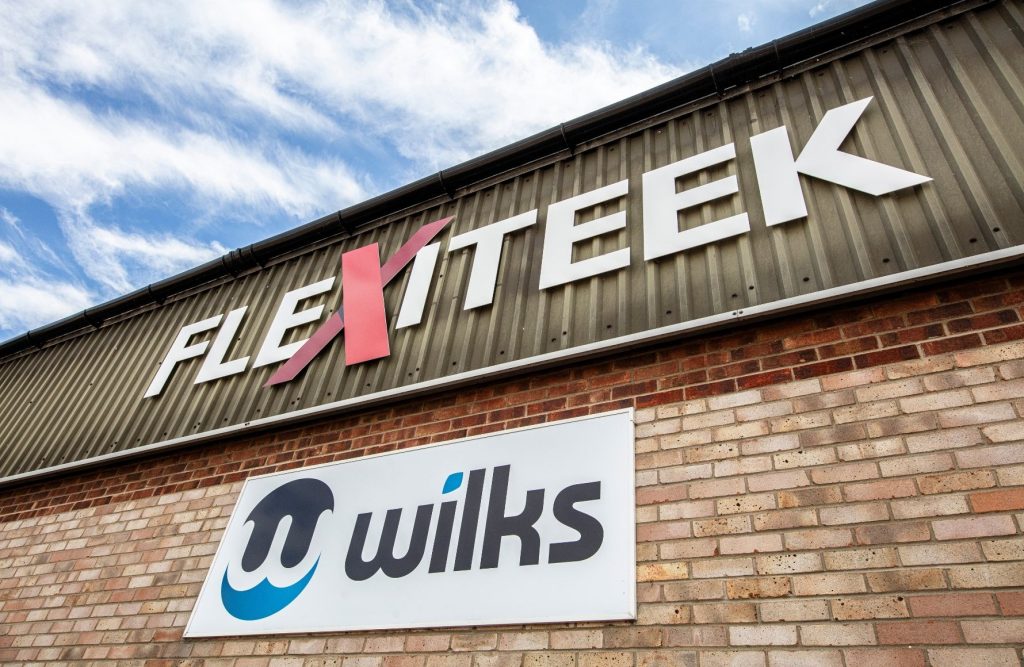
A major turning point for Flexiteek came in 2019, when the company brought manufacturing fully in-house with the acquisition of UK extrusion specialist Wilks.
Today, all raw material production takes place in Essex, allowing precise control over formulation, waste reduction, water recycling, and quality consistency. Finished decking panels are then produced and supplied through regional hubs to support local boatbuilders and installers.
This internal control has enabled faster innovation, higher consistency, and improved sustainability across the production process.
Are we at the tipping point?
According to Flexiteek, the industry is now beyond early adoption.
The transition away from teak accelerated between 2020 and 2022, and recent advances, including bio-attributed PVC and enhanced multi-tone plank designs, are changing long-held perceptions.
While teak still dominates parts of the superyacht market, the wider leisure and production-boat sector has reached a tipping point. Owners are more environmentally aware, more cost-conscious, and increasingly unwilling to accept the maintenance burden and ethical concerns associated with natural teak.
Synthetic decking is no longer seen as a compromise but as a modern, responsible choice in its own right.
Read the full BBC article on teak and marine decking alternatives here:
https://www.bbc.co.uk/news/articles/clygdez8d41o
Written and edited by Emily Lofthouse.