Innovation for Growth: How Small Changes Can Make a Big Difference to a More Sustainable Marine Industry
What does innovation really look like in the marine industry? Is it about investing in the latest technology, developing entirely new products or rethinking the way we manufacture?
These were some of the questions explored at this year’s African Boatbuilding Conference, where Flexiteek CEO Adam Ramsden joined an industry panel for Innovation for Growth: Technologies Driving Africa’s Sustainable Marine Future.
Bringing together professionals from across the marine and boatbuilding industries, the conference provided an opportunity to discuss the challenges, opportunities and technologies shaping the future of African boatbuilding.
The panel explored how boatbuilders, manufacturers and suppliers can embrace innovation while balancing commercial performance, environmental responsibility and the practical demands of their businesses.
For Adam, innovation isn’t necessarily about investing in the latest technology. It can be about improving existing manufacturing processes, making better use of materials and finding more efficient ways of working.
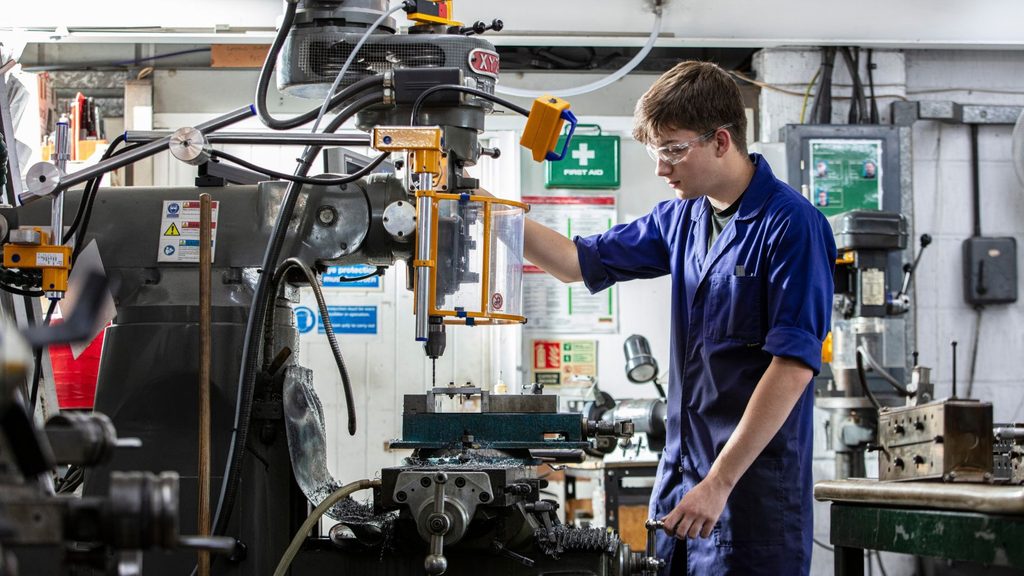
At Flexiteek, this thinking is central to how we approach product development and manufacturing. From reducing production waste to improving material efficiency and developing products, meaningful progress often starts with practical changes that deliver benefits both inside and outside the factory.
Sustainability makes good business sense.
Sustainability is becoming an increasingly important consideration, not just across the marine industry but around the world. However, it shouldn’t be viewed simply as an environmental responsibility or an additional cost for businesses to absorb. Instead, it offers an opportunity to rethink how we work, use resources better, and operate more efficiently, often delivering commercial benefits alongside environmental improvements.
Done well, more sustainable manufacturing can make sound commercial sense, too.
Better material utilisation, reduced waste, lighter products and improved durability can all contribute to greater production efficiency and lower operating costs. Customers also want products that last, require less maintenance, and make boat ownership easier.
These priorities are not mutually exclusive. In fact, the opportunity lies in bringing them together.
For Flexiteek, this means considering the entire picture: how materials are sourced and used, how products are manufactured and how they perform throughout their lifetime.
There is also an increasing expectation for businesses to demonstrate their progress. Sustainability claims alone are no longer enough. Customers want transparency, measurable improvements and evidence that businesses are making a genuine difference.
Three manufacturing challenges. One shared goal.
During the panel discussion, Adam shared some practical examples of how Flexiteek is addressing three important manufacturing considerations: scrap, material utilisation and weight.
While each presents its own challenges, they all contribute to the same objective: making better use of resources while maintaining the quality and performance customers expect.
1. Reducing scrap, improving efficiency
Manufacturing waste is an environmental consideration, but it’s also a commercial one.
Every improvement in material utilisation means less unnecessary waste, better use of resources and greater production efficiency.
Through ongoing improvements to its manufacturing processes, Flexiteek has reduced its scrap rate from 17% to 7% between October 2024 and September 2026.
It’s a significant step forward and a good example of how continuous improvement can deliver tangible results without requiring a complete overhaul of existing processes.
2. Making better use of materials
Getting more from the materials we use is another important part of more responsible manufacturing.
It’s not simply about reducing the amount of material going into a product. It’s about looking at how materials are handled, how efficiently they are used throughout production and how the finished product performs over time.
By continually reviewing manufacturing processes and looking for opportunities to improve, businesses can reduce unnecessary material use while creating products designed to deliver long-term value.
3. Lighter by design
Weight is another important consideration in modern boatbuilding.
Reducing product weight can bring benefits beyond the manufacturing process itself, particularly when it comes to vessel efficiency and overall performance.
Flexiteek’s approach focuses on achieving a lighter, more flexible decking product without compromising on the quality, appearance and practical performance that boat owners and builders expect.
It’s about finding the right balance: improving the product while keeping the things that matter most.
Innovation doesn’t happen in isolation
Technology and manufacturing improvements are important, but some of the most valuable ideas don’t necessarily start in a research and development department.
As Adam highlighted during the discussion, many of Flexiteek’s innovations have come from conversations with customers and suppliers.
A challenge raised on the factory floor, feedback from a boatbuilder or an idea shared by a supplier can all lead to a better way of doing things.
Boatbuilders understand the realities of designing and manufacturing vessels. Suppliers bring specialist knowledge of materials, products and production capabilities. When those experiences come together, there is an opportunity to develop solutions that work in the real world.
This kind of collaboration is particularly important as Africa’s boatbuilding industry continues to develop and strengthen its position in the global marine market.
Closer relationships between manufacturers, boatyards and suppliers can help share knowledge, improve processes and create products that meet the changing expectations of the industry.
Supporting the next chapter of African boating
The conference also explored the wider opportunities emerging across Africa’s marine sector, including investment in marinas, recreational boating facilities, marine tourism and local boatbuilding capabilities.
As the industry grows, there is an opportunity to build sustainability and efficiency into its development from the outset.
That doesn’t mean investing in every new technology or following every emerging trend. It means understanding where improvements can make a genuine difference and choosing solutions that offer lasting value.
The same applies when specifying products for new vessels. Durability, maintenance requirements, material efficiency and long-term performance all play an important role in creating boats that are built to be enjoyed for years to come.
For a developing marine market, getting these decisions right today can help create a stronger, more efficient industry for tomorrow.
Progress starts with a better way of thinking
One of the key takeaways from the African Boating Conference was that the future of a more sustainable marine industry won’t be shaped by one breakthrough or a single major investment.
It will come from a combination of fresh thinking, shared knowledge and a willingness to keep improving.
At Flexiteek, that’s reflected in the everyday decisions we make about our products and manufacturing processes. Reducing scrap, improving material utilisation and developing lighter, more flexible products are all part of a wider commitment to doing things better.
Because innovation isn’t always about doing something completely different. Sometimes, it’s about doing what you already do, just that little bit better.
And when those improvements deliver benefits for businesses, boatbuilders, boat owners and the environment, that’s where real progress happens.
A more sustainable marine future starts with the decisions we make today.
Looking for a better way to deck your next project?
Whether you’re a boatbuilder exploring new materials, a marine professional looking for more efficient solutions or a boat owner planning your next upgrade, we’d love to hear from you.
Discover how Flexiteek can bring together quality, practicality and a more considered approach to marine decking.
Tell us a little about your project, and our team will be in touch to help you find the right solution.