

Introducing the Flexiteek 3D Deck Designer
Designing a space comes down to judgment.
Meaning it isn’t just what looks good in isolation, but how materials, colours and details come together to shape a space. On a boat, that matters even more. Every surface is seen, used, and experienced up close.
Decking sits right at the centre of that.
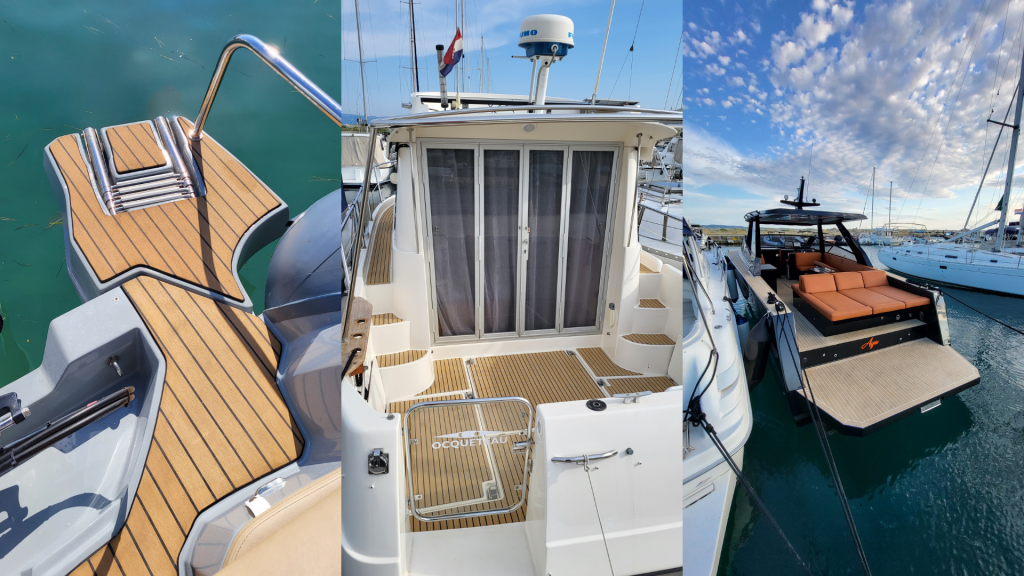
It’s one of the first things you notice when you step on board. It defines contrast and tone. Yet historically, it’s been one of the hardest elements to truly visualise before installation.
That’s where the new Flexiteek 3D Deck Designer comes in.
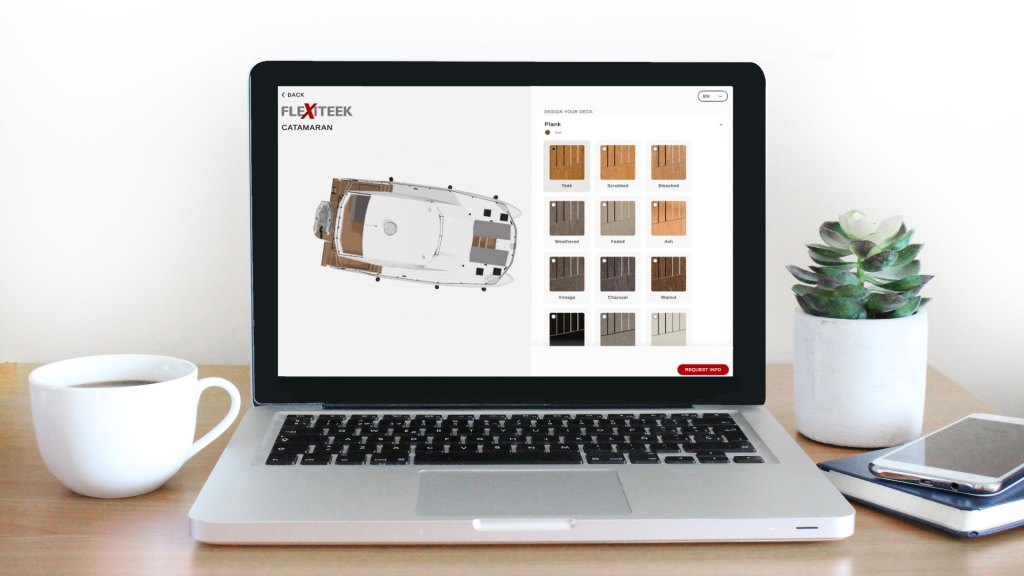
A More Realistic Way to Design Your Deck
Traditionally, deck design has relied on samples, swatches, and reference builds.
You choose a colour, compare caulking, and try to imagine how it will sit against upholstery, hull colour, and fittings. It works, but it leaves a lot open to interpretation, and this depends on how well you can visualise.
The shift to 3D changes that.
It allows you to move beyond isolated decisions and start seeing the deck as part of a complete space. Not just colour, but context.
Seeing Colour in Context
Colour has become one of the most defining elements in modern boat design.
Whether it’s a warm, traditional teak tone, a softer neutral palette, or something more contemporary and contrast-led, the choice influences how a boat feels before anything else.
What the 3D Deck Designer does well is bring those decisions closer to reality.
You can move between tones, explore different caulking, and see how those combinations behave across different boat types. Not as a flat sample, but as part of a surface that wraps, flows, and interacts with the structure of the boat.
That shift from flat to spatial is where better decisions start to happen.
Detail Becomes More Visible
Deck design is often defined by small, yet significant, decisions.
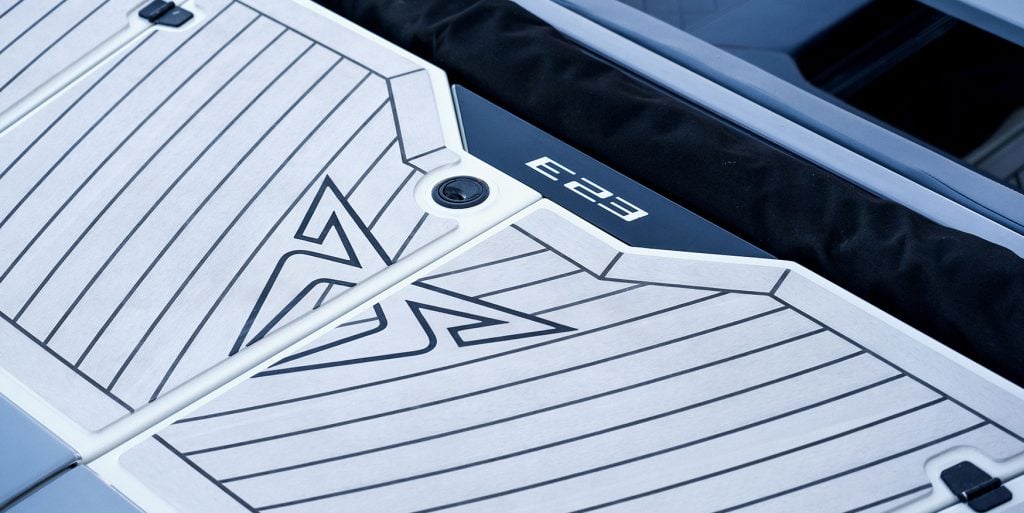
Caulking, for example, is rarely the first thing considered, but it has a disproportionate impact on the final result. It can sharpen a layout, soften it, or completely transform the feel of a deck’s structure.
In a 3D environment, those details become easier to read.
You start to see how contrast works across larger areas, how lines guide the eye, and how different combinations either sit quietly within a design or deliberately stand out.
Designed Around Real Use
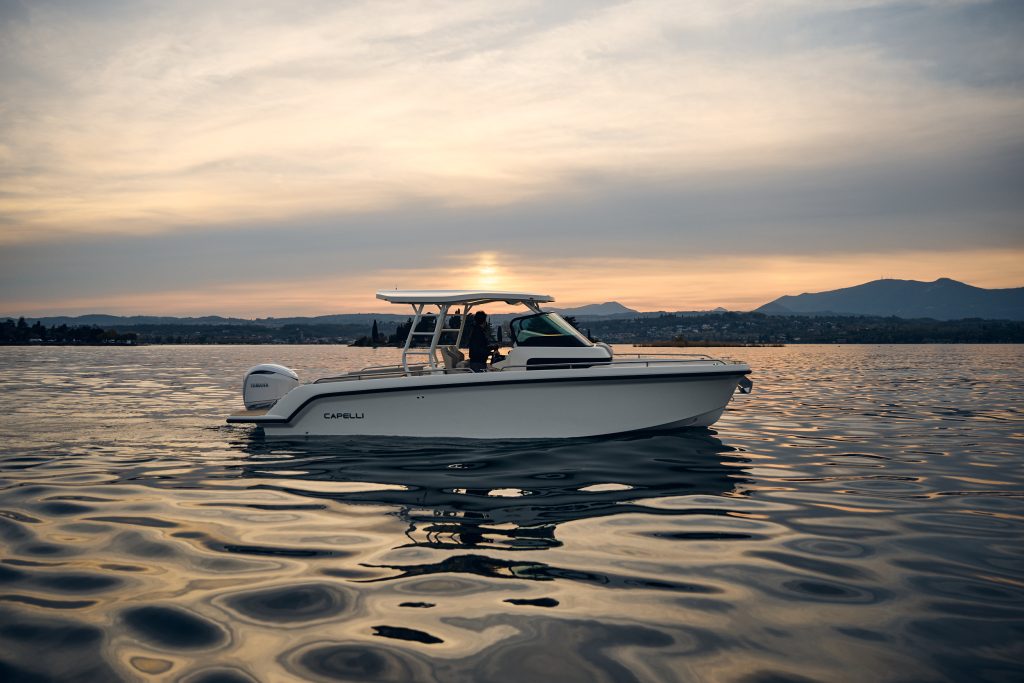
The platform has been built around familiar boat types: sailing boats, motor boats, catamarans, sports boats, leisure boats, and RIBs.
Not as exact replicas, but as recognisable environments.
That’s important because design decisions rarely happen in abstraction. They happen in context: how open a deck is, how light moves across it, how it connects to surrounding materials.
Being able to rotate and explore those spaces adds another layer of clarity. It allows you to step back and consider the deck as part of the whole, rather than a standalone element.
Designing With More Confidence
Ultimately, the role of the Deck Designer isn’t to replace design judgment.
It’s to support it. Instead of committing early and hoping the result aligns, you can test, compare, and refine. It becomes a more considered process, one that reflects how design is actually approached.
Because a well-designed deck isn’t just about the material.
It’s about how everything comes together, tone, contrast, layout, and detail to create something that feels intentional.
Start Exploring
The Flexiteek 3D Deck Designer is now available.
A more complete way to explore colour, detail, and how your deck could come together before it’s made.
👉 https://configurator.flexiteek.com/
ABOUT FLEXITEEK INTERNATIONAL
Flexiteek has been creating beautifully engineered synthetic decking and marine products since 2000.
The first-generation Flexiteek product set the standard in synthetic decking, and the revolutionary second-generation product that launched in 2014, provided many enhanced, market-leading benefits.
In 2024, the new Dame Award-nominated third-generation Flexiteek product established a new standard in synthetic decking. The new range is made using a bio-attributed PVC, removing fossil-fuel-based PVC for the first time. Flexiteek 3 has enhanced heat performance and all the usual leading benefits you have come to expect from Flexiteek.
Flexiteek 3 is available in fifteen colours, including the exciting new Tritone range. The range includes six dark wood and monochrome colours. There are up to three caulking colours to select from: cool white, contemporary grey and traditional black.
Part of the Flexiteek Group, Wilks Marine Fendering Products have been produced in the UK for over 50 years. A wide range of Wilks fendering options is available and supported by renowned customer service from the UK-based sales team.
For more information about our products, visit:
Flexiteek – https://www.flexiteek.com
PRESS CONTACTS
All press and media enquiries, contact Steve Moore – Marketing & Media Manager
Email: [email protected]
Call: +44 (0) 1621 869609
Mobile: +44 (0) 7909 972277
Written and edited by Emily Lofthouse.