

Flexiteek’s Commitment to a More Sustainable Future
Building Better Decks for a Better Planet
At Flexiteek, we embed sustainability into the design, manufacturing, and lifecycle of our products, as well as our global operations and partnerships. We hold ourselves accountable through external audits.
As a manufacturer of synthetic boat decking, a teak alternative, we recognise the responsibility that comes with operating in an industry so closely connected to the natural environment.
Our approach is straightforward:
Reduce environmental impact where possible, measure performance consistently, and rely on independent verification wherever available.
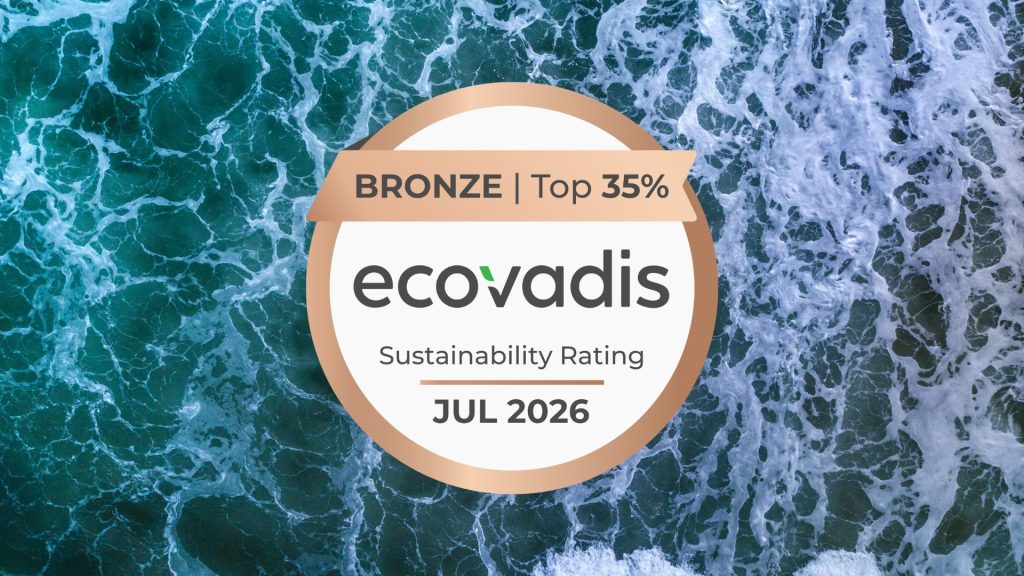
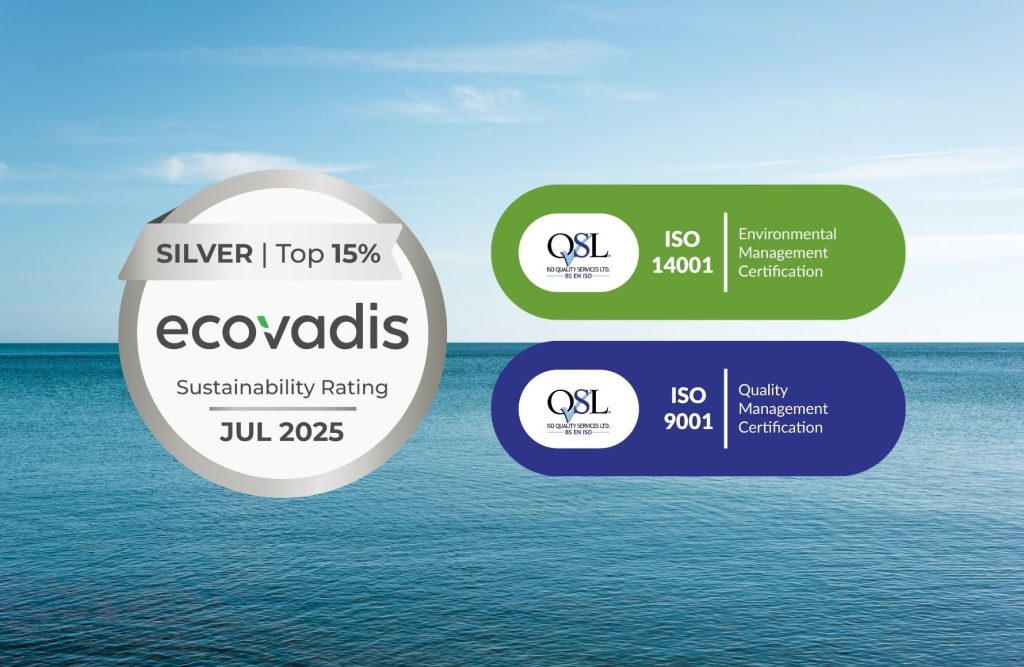
This includes material innovation, operational efficiency, waste reduction, renewable energy adoption, and third-party certification, such as EcoVadis Silver (2025/26), which places Flexiteek in the top 15% of companies globally.
The Global Context: Why Sustainable Marine Materials Matter
As highlighted by the United Nations and reflected in the Paris Agreement, the science is clear: to avoid the worst impacts of climate change and preserve a livable planet, global temperature increase must be limited to 1.5°C above pre-industrial levels.
Today, global temperatures are already approximately 1.2°C higher than in the late 1800s, and emissions continue to rise. To stay within the 1.5°C threshold, we must reduce global emissions by 45% by 2030 and reach net zero by 2050.
This global benchmark is important because it reframes sustainability from being optional or industry-specific to being a shared responsibility across all sectors, including marine manufacturing.
For Flexiteek, it reinforces the importance of focusing on:
- Lower-impact material innovation
- Verified emissions reductions
- Responsible sourcing
- Operational efficiency improvements
Sustainability, in this context, is a measurable response to a defined global challenge.
Innovation at the Core: Flexiteek 3 Sustainable Marine Decking
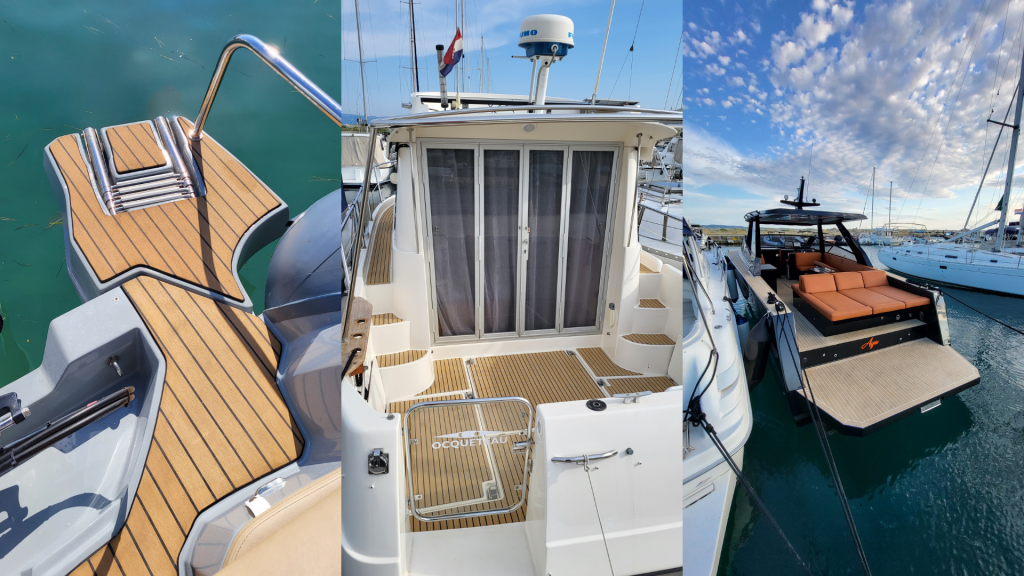
Our latest generation product, Flexiteek 3 synthetic boat decking, represents a significant step forward in a material that is kinder to the environment.
It replaces fossil-based PVC with bio-attributed PVC derived from Tall Oil, a by-product of sustainably managed forestry operations.
This helps reduce reliance on fossil resources while maintaining the durability, safety, and performance required in marine environments. Additionally, using certified sustainable sourcing pathways means Flexiteek reduces fossil feedstock dependence, which other synthetic decking materials rely on.
Importantly, the bio-attributed PVC is certified by the Roundtable on Sustainable Biomaterials (RSB), providing independent verification of its sourcing and sustainability credentials.
Flexiteek 3 also continues to use REACH-compliant materials and phthalate-free plasticisers, which ensure compliance with stringent European environmental and safety standards.
Compared with conventional fossil-based PVC production, Flexiteek 3 delivers approximately 80% lower greenhouse gas emissions during production.
Smarter Operations: Reducing Environmental Impact in Manufacturing
Sustainability extends beyond product innovation into how we operate globally.
Across our facilities, we are actively reducing environmental impact through:
In our Swedish facility, we use ground-source heat pumps, which supply up to 85% of our energy needs. This is also backed up with our solar energy systems, with surplus returned to the Swedish national grid.
In both our Swedish and UK locations, we have an EV charging infrastructure which supports the lower-emission transport of our company vehicles.
Within our global headquarters, where all Flexiteek products, from decking to Wilks fendering, are produced, the production extrusion lines use water recycling systems to reduce freshwater consumption. This helps minimise overall water use in the manufacturing process.
Across all our locations, we encourage our teams to recycle 100% of our general waste as well as our food waste.
These initiatives support continuous improvement in operational efficiency and emissions reduction.
Restoring Nature Beyond Our Business
At Flexiteek, we not only ensure we are manufacturing responsibly, but our facilities operate as sustainably as each location and circumstance allows. We also work closely with the World Land Trust.
We have been working with them for over 5 years on supporting a reforestation project which helps regions impacted by deforestation, including areas historically affected by teak harvesting.
This deforestation has not only reduced tree cover in these regions but has also disrupted animal habitats, which in turn has impacted local communities.
To date, we have supported the restoration of approximately 44 acres of land, helping to restore biodiversity, improve soil health, and rebuild natural habitats.
Verified Standards and Accountability
We want to ensure we are doing as much as we can and have a plan in place to try and continuously improve our systems, buildings and how we impact not only the environment but our local area and employees.
This means we get our environmental and quality performance independently certified through internationally recognised systems:
- ISO 14001 Environmental Management System – This helps us measure, manage, and continually improve our environmental impacts, while ensuring compliance with relevant environmental legislation
- ISO 9001 Quality Management System – This provides a practical framework for us to help meet our customer expectations, streamline operations to become more effective, and drive continual improvement
- EcoVadis – Brings both of these together and analyses how well a company has integrated the principles of Sustainability and Corporate Social Responsibility into their business and management systems. In 2025, we were awarded a Silver Rating (2025/26), placing Flexiteek in the top 15% globally.
These certifications not only demonstrate our structured, audited systems of environmental and operational accountability but also our dedication to always improving our systems and how we work.
A Culture of Responsibility
Sustainability at Flexiteek is embedded across the organisation, not confined to a single department.
Employees across all functions contribute to environmental initiatives, compliance programmes, and community engagement activities, including local charity support and food drives.
This reflects a broader belief that meaningful sustainability outcomes depend on collective responsibility across an organisation.
Looking Ahead
Sustainability is a journey defined by continuous improvement, not a fixed endpoint.
At Flexiteek, we continue to invest in:
- Lower-impact marine decking materials
- Renewable energy integration
- Verified sustainability standards
- Environmental restoration partnerships
Our goal is not to claim perfection but to consistently improve, measure progress, and remain accountable to recognised global standards.
Because building better decking should also mean contributing to a better future.
Written and edited by Emily Lofthouse.